Designing for mating cycles: connector lifecycle and field maintenance
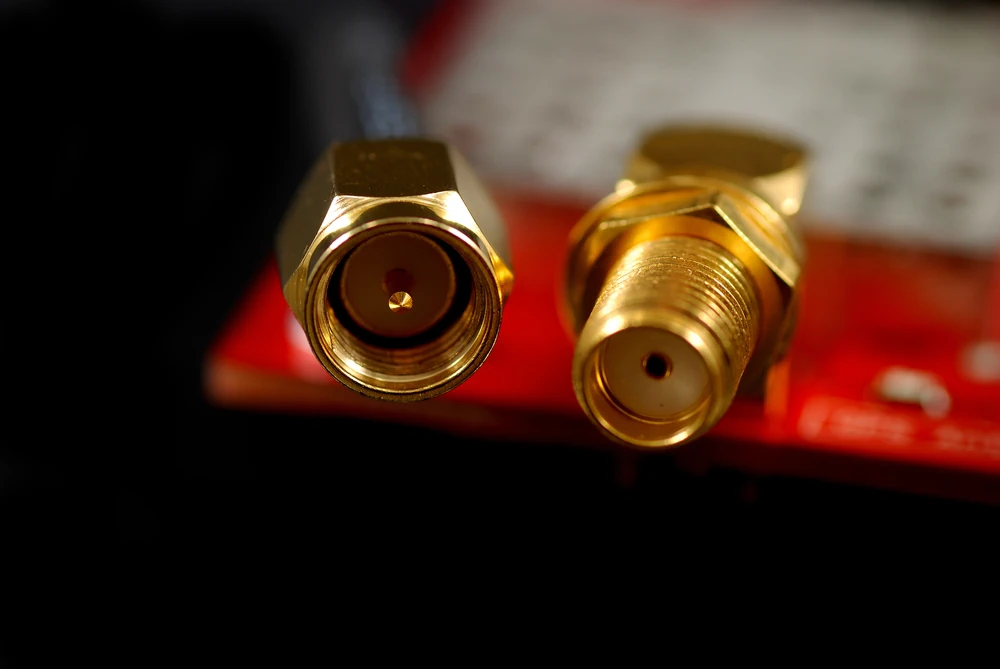
Nobody budgets for the connector that just gets tired. You plan for cable failures, board defects, maybe a firmware bug that eats a weekend. But the humble act of plugging something in, over and over, quietly wears down a piece of hardware until one day it just doesn't grip anymore. That's a mating cycle problem, and it's one of the least glamorous ways an RF system dies.
A mating cycle is just one connect-disconnect event. Plug it in, that's half. Pull it out, that's the full cycle. Sounds trivial until you realize every one of those events leaves microscopic scars on the contact surfaces. Enough scars and your return loss creeps up, your insertion loss drifts, and eventually a connection that used to be rock solid starts acting flaky in the field.
The fix isn't complicated. Knowing it's coming is the hard part.
What that cycle rating on the datasheet is actually telling you
Manufacturers test mating cycles under lab conditions: clean hands, controlled torque, no grit in the threads, no salt spray, no fumbling in a server room with a flashlight in your teeth. Real life rarely cooperates that nicely. So when a datasheet says "500 cycles," treat that as an optimistic ceiling, not a promise.
The rating usually covers mechanical wear and loss of contact force, the two horsemen of connector death. As the plating erodes and the spring fingers or center pin lose their bite, electrical performance follows the mechanical decline. Return loss gets worse. Continuity becomes intermittent under vibration. None of this happens on a countdown timer, either. It's gradual, then suddenly obvious. Datasheet numbers are a guide for planning, not a countdown clock you can trust to the last cycle.
The cheat sheet nobody hands you at orientation
Here's roughly how the miniature RF world stacks up, cycle-wise.
U.FL, IPEX, and the MHF family sit at the fragile end. Rated cycles typically run 20 to 50, sometimes less if you're rough with them. These live inside laptops, on Wi-Fi and BLE daughter boards, tucked into places nobody's supposed to touch after final assembly. Treat them as nearly permanent connections.
MMCX and MCX step up with snap-on mating, typically rated somewhere between 200 and 1000 cycles, with 500 being a common center point. You'll find these in compact modules and test harnesses where someone's swapping cables during bring-up but not forever after.
SMA is the workhorse. Threaded, chunky by comparison, and generally good for around 500 cycles depending on plating quality and how consistently someone torques it. Antennas, lab benches, anything that gets connected and reconnected as part of normal use.
SMB and SMP round things out. SMB, push-on, sits around 200 to 500. SMP, built for blind-mate and high-speed applications, ranges from 200 up to 1000 depending on the series. As always, check the actual part, not the family reputation. Rule of thumb worth tattooing on your forearm: smaller usually means fewer cycles, and threaded generally outlasts snap-on or push-on.
The usual suspects behind premature wear
Friction and grit do a lot of quiet damage. Misalignment during mating, or worse, cross-threading an SMA in a hurry, accelerates wear far beyond what the cycle rating assumes. Then there's the chemistry side: plating wears thin, fretting corrosion sets in where contacts rub microscopically against each other even when "mated," and oxidation creeps in given enough humidity and time.
Environment piles on. Moisture, salt air, dust, thermal cycling, vibration from a vehicle or an industrial floor, all of it shortens the runway. Human handling matters just as much. Over-torquing an SMA can deform the center pin permanently in one bad turn. Under-torquing leaves the connection loose enough to fret itself to death over time. Bad tooling, or no tooling at all, makes both mistakes more likely.
Design placement plays a bigger role than most engineers give it credit for. A connector buried near the board's center, reachable only at an angle, gets mated crooked more often than one sitting at an accessible edge. Unsupported cable strain turns every mate into a cantilevered lever arm working against the contact. And the finish matters too: soft gold conducts beautifully but wears fast, hard gold trades a little conductivity for a lot more durability, nickel is tougher still but not always RF-friendly at higher frequencies.
Designing so the wear doesn't bite you later
Match the connector family to how often it'll actually get touched. U.FL belongs on permanent internal links, not anywhere a technician will ever need access. MMCX and MCX suit occasional swaps during test or calibration. SMA earns its keep wherever frequent field mating is expected.
Plan for the human who'll be servicing this thing later. Give them room to approach the connector straight on, not at some awkward diagonal that guarantees crooked mating. Add strain relief, cable guides, retainers, anything that keeps cantilever forces off the contact itself. Where durability actually matters, favor threaded connectors and specify torque values, then make sure a torque wrench actually shows up in the field kit.
And when space forces you into tiny connectors, minimize how often they'll get re-mated at all. Solder coax permanently where you can, or move to board-to-board solutions that don't rely on repeated hand mating.
Keeping things alive once they're out in the world
A pre-service glance goes a long way: check for bent pins, debris, deformed shells before anyone forces a mate. Clean with approved solvents and soft brushes, never anything abrasive against the actual contact surface - that's asking for trouble! Mate straight in, avoid side loads, and for threaded types, follow the torque spec rather than "tight enough by feel."
Carry the right tools. Torque wrenches for SMA-style connectors, proper extraction tools for U.FL rather than a fingernail and a prayer, insertion jigs for MMCX and MCX where they exist.
Track mating counts on your highest-use ports, even something as simple as a sticker with tally marks helps more than you'd expect. Keep spares on hand, especially for the fragile stuff, and pre-terminated jumper assemblies for quick swaps. A few minutes of field-tech training on this topic prevents most of the accidental damage we see.
When to repair, when to just replace
Figure out if the contact surface is worn or the connector body itself is damaged; that distinction decides everything. Use correct extraction methods: proper tools for U.FL, squeeze tabs for MMCX, controlled torque release for threaded types. Sometimes it's the cable assembly that needs replacing, but often it's the board-mounted jack itself that's given up. Whatever you do, don't force a mismatched connector together because it "looks close enough." Adapters exist for a reason, but they add loss and reflection.
Checking your work afterward
Start with your eyes: pins, center contacts, dielectric condition, thread wear. Follow with basic electrical checks, continuity and shield isolation at minimum. For anything critical, a quick sweep with a VNA or a return-loss measurement after repeated mating tells you what your eyes can't. If performance looks marginal after a repair, that's usually wear talking, and the honest answer is to replace rather than hope it holds.
The short version for busy people
Pick your connector based on how often it'll actually get mated, not just what fits the footprint. Plan for access, add strain relief, keep spares on the shelf. Use the right tools, log your mating counts on the busy ports, and verify RF performance after any service touches a connector.
Design and maintenance together stretch a connector's working life further than either one alone ever will. For the specifics, the vendor datasheets and IPC standards are worth the read, and a few good how-to videos on U.FL extraction will save you from learning it the hard way.